Chesterton and Hollnagel's Safety I/II
Tagged:CatBlogging
/
NotableAndQuotable
/
Obscurantism
/
Religion
/
TheDivineMadness
/
ϜΤΦ
I never that knew GK Chesterton, a 19th - 20th century writer, raconteur and master of the bon mot, knew about 21st century industrial and laboratory safety culture. Neither did Chesterton, probably.
Types of Safety, Type-Safety, and Good Ol’ GKC
 So I was reading – as one does – about software safety and the use of the
programming language Haskell to make certain
kinds of faults impossible [1], what with isolation of
side-effects in monads, an expressive (!) but strict type system, lazy evaluation
order, and so on. You know: the stuff we all understand, but which software management
(and corporate management more generally) just insists on denying? Yeah, that stuff.
So I was reading – as one does – about software safety and the use of the
programming language Haskell to make certain
kinds of faults impossible [1], what with isolation of
side-effects in monads, an expressive (!) but strict type system, lazy evaluation
order, and so on. You know: the stuff we all understand, but which software management
(and corporate management more generally) just insists on denying? Yeah, that stuff.
 Duncan’s article began talking about software safety, lamenting that people usually
relegate it to unit tests, integration tests, fault logs, and so on. This means you get
very, very good at finding out what went wrong, but not so good at understanding and
designing for what makes things go right.
Duncan’s article began talking about software safety, lamenting that people usually
relegate it to unit tests, integration tests, fault logs, and so on. This means you get
very, very good at finding out what went wrong, but not so good at understanding and
designing for what makes things go right.
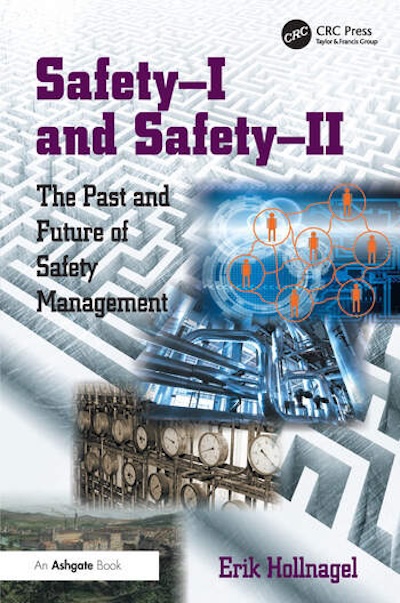
This is very much au courant among laboratory/industrial safety experts, particularly following Eric Hollnagel’s book [2] on the types of safety:
- Safety-I is the usual study of how things go wrong, while
- Safety-II is the less widely performed safety work on how to force things to go right.
I was initially intrigued because this sounded like what we statisticians call type-I and type-II errors, i.e., false positives and false negatives. That’s certainly present, in terms of identifying faults, but not completely right. It’s more like the cynical old adage about public health, which goes something like:
Proper public health policy execution always looks pointless, because we never talk about the disasters it prevents.
That’s some Safety-II talk, there! In the US right now, with federal health programs being not just dismantled but facing outright hostility, we might think about the return of measles, babies bleeding to death because of refused vitamin K shots, screw worm infestations, and now explosive diarrhea from Cyclospora.
A medical friend compared this once to how hospitals try to prevent and fix medical errors. Through the use of checklists, rounds by other practitioners of various sorts, computer systems checking meds, and so on, they try to make sure the right thing happens even when somebody makes a mistake. That is, they try to be robust against single mistakes, requiring multiple screw-ups before bad things happen. Bad things still happen, but this helps a lot against the bad things you never hear about because they were caught & fixed.
 As it happens, I was also – reasonably recently – reading some
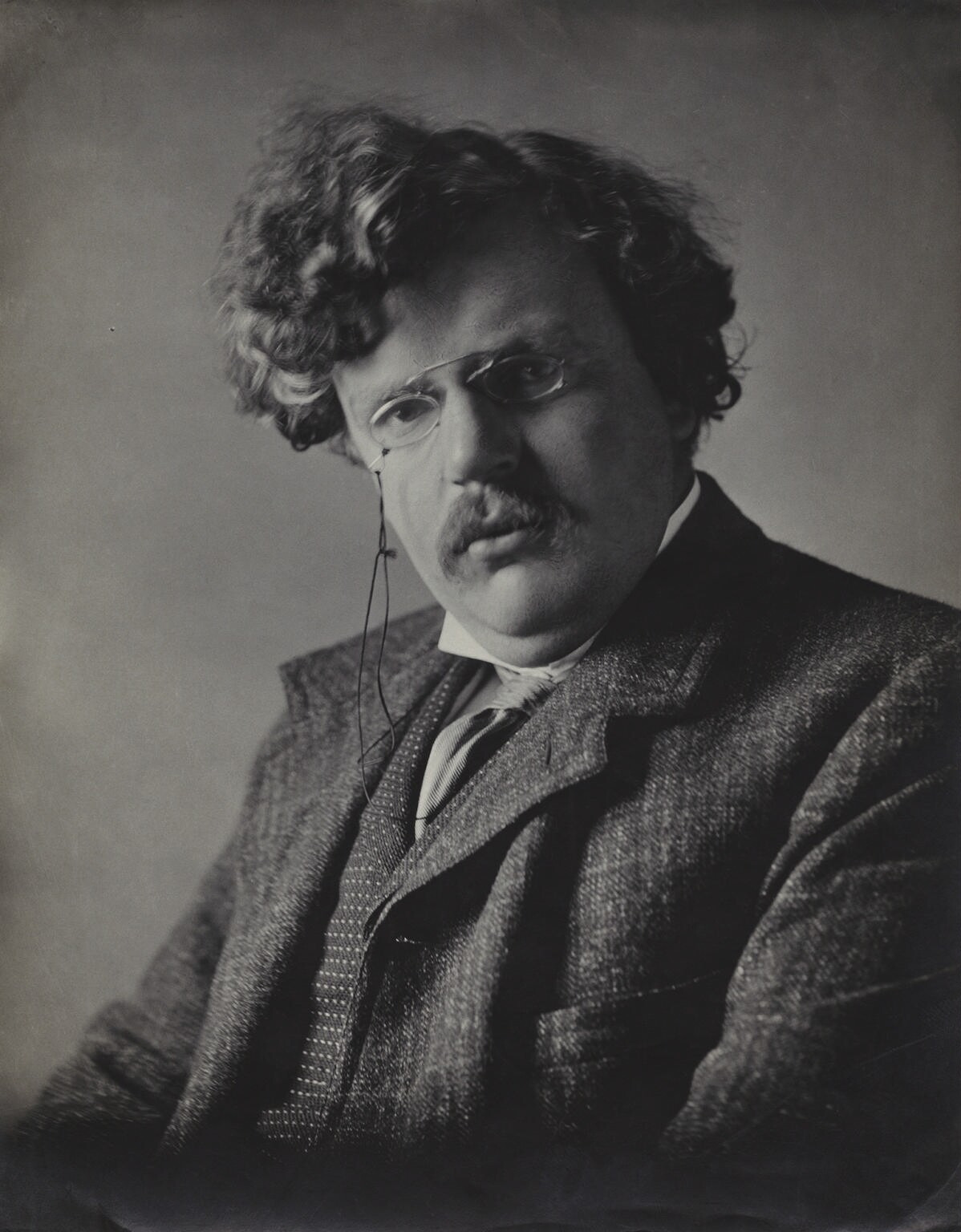
GK Chesterton. (Hey, don’t judge me!
It may actually be a virtuous vice.)
As it happens, I was also – reasonably recently – reading some
GK Chesterton. (Hey, don’t judge me!
It may actually be a virtuous vice.)
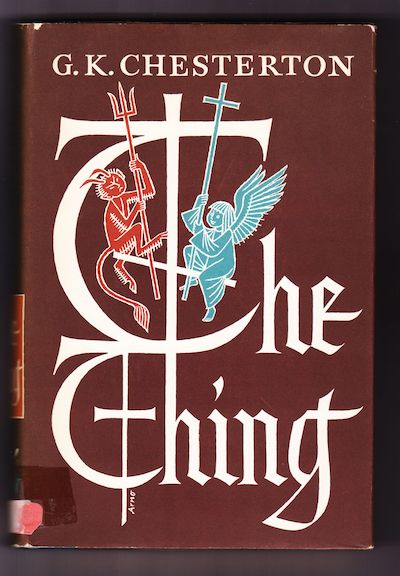
In this case, it was The Thing [3]. It was later subtitled “Why I am a Catholic”, just so you know what you’re getting into. What is “the thing”? In another essay so titled in A Miscellany of Men [4], GKC calls “The Thing” the occasional ability of religious spirit to break free of its ceremonies, becoming something like an elemental breaking down inequality and injustice everywhere. (This is, of course, an occasional thing, or settled civilization would be impossible.)
The wind awoke last night with so noble a violence that it was like the war in heaven; and I thought for a moment that the Thing had broken free.
…
Let me explain. The vitality and recurrent victory of Christendom have been due to the power of the Thing to break out from time to time from its enveloping words and symbols. Without this power all civilisations tend to perish under a load of language and ritual.
…
The wind sang and split the sky like thunder all the night through; in scraps of sleep it filled my dreams with the divine discordances of martyrdom and revolt; I heard the horn of Roland and the drums of Napoleon and all the tongues of terror with which the Thing has gone forth: the spirit of our race alive. But when I came down in the morning only a branch or two was broken off the tree in my garden; and none of the great country houses in the neighbourhood were blown down, as would have happened if the Thing had really been abroad.
So The Thing is a book of essays about a certain degree of “wild spirit” in humanity. Repeat offenders at reading this Crummy Little Blog That Nobody Reads (CLBTNR) may recall that we made similar use of an essay in The Thing, whence the concept of Chesterton’s Fence.
Today’s memory that reached out the back of my skull & yanked on my ponytail is from Chapter 9, “What Do They Think?” (enshrined on the quotes page of this very CLBTNR):
All science, even the divine science, is a sublime detective story. Only it is not set to detect why a man is dead; but the darker secret of why he is alive.
So:
- A detective solving the mystery of a murder is Safety-I (what went wrong);
- The rest of us attacking the mystery of how we can all live meaningful and good lives is Safety-II (how to make it all go right).
Chesterton is qualified to have an opinion here, both as the author of books on religion & ethics, as well as the author of the Father Brown mysteries!
The Weekend Conclusion
 Corporate managers, being the generally unimaginative sorts that they seemed to me to be,
are generally unimpressed with Haskell since it’s not what their sibling MBA’s are
chattering about. Similarly, as you can see here, the Weekend Publisher is
unimpressed with my insight about Chesterton and Hollnagel.
Corporate managers, being the generally unimaginative sorts that they seemed to me to be,
are generally unimpressed with Haskell since it’s not what their sibling MBA’s are
chattering about. Similarly, as you can see here, the Weekend Publisher is
unimpressed with my insight about Chesterton and Hollnagel.
Ah, well. He may be right. He is, after all, a cat of very good taste while I’m just a cranky old retired hippie scientist with a blog. Who ya gonna trust?
(Ceterum censeo, Trump incarceranda est!)
(Et ceterum censeo, index Epsteiniani divulganda est!)
Notes & References
1: I Duncan, “A Couple Million Lines of Haskell: Production Engineering at Mercury”, Haskell Blog, 2026-Mar-30. See, in particular, footnote 3. ↩
2: E Hollnagel, “Safety-I and Safety-II: The Past and Future of Safety Management”, CRC Press, 2014. DOI: 10.1201/9781315607511. ↩
3: GK Chesterton, The Thing, London: Sheed & Ward, 1929-Jan-01. The relevant portion here is the opening paragraphs of Chapter 9, “What Do They Think?”. ↩
4: GK Chesterton, A Miscellany of Men, 1912. The relevant bit here is the essay called “The Thing”. ↩
Gestae Commentaria
Comments for this post are closed pending repair of the comment system, but the Email/Twitter/Mastodon icons at page-top always work.